Red Light Syndrome
What it is and a creative way to deal with it

I’m going to start with an apology to loyal readers for the long pause between articles recently. Or perhaps this is more of an excuse to myself, actually, as I doubt many of you will have been on tenterhooks for my next Substack. (The vanity of a Substacker…)
We moved house a month ago. Enough said?
Also, I’ve been producing an album with the Dovetail Orchestra that involved untangling a Gordian knot of availabilities and conflicting schedules. The final spreadsheet felt like a triumph of design, bringing out my inner Teut. Seeing the first rough mixes arrive in the inbox has been cathartic.
In fact, I thought I’d share some observations from that recording process on the mysterious phenomenon of ‘red light syndrome’, and how it applies outside of the studio.
How red light syndrome presents
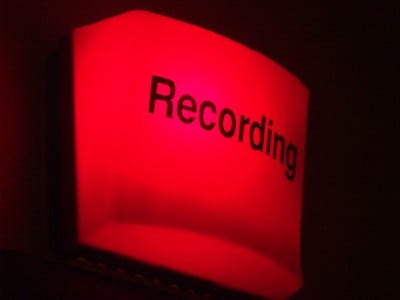
The dress run has just gone beautifully, we’re all in the zone. Things are flowing, and there is banter. Then the softly spoken sound engineer informs us the session is running and take one is ready to go. We imagine the red recording light flicking on, even though it’s not there. There is a held breath, a shuffling in the seats. I count us in and we launch into the first take. It’s a little rough round the edges but it has character.
Then comes the scrutiny, the feedback and the second and third takes. And with each take we try to find the same spontaneous flow while also trying to neaten the edges. It’s like chasing a beautiful memory while solving a crossword.
This is the well known tension that comes with the red light: trying to capture the abandon and raw energy of a live performance while having your inner critic run rampant, tutting at your every move. Combine this with Imposter Syndrome (which, interestingly, everybody in the room confessed to) and a sudden awareness of minor ailments such as a slightly blocked nose and an overwhelming desire to sniff, or cold fingers, or an impending frog in the throat, and you have the perfect foundations for creative paralysis.
I imagine it’s similar to a love scene where a pair of actors have to embrace for the first time. They’re relative strangers and have just had time to pop a mint in the mouth before the director announces ‘And…KISS!’
Suddenly the The Veil of Awkward descends.
Keeping connected
Reimagining such self-scrutiny as a welcome, warm attention is a way out of this thinking. The red light is not a warning but a warming. It is an invitation into the now, into finding something new to say even though you’ve said it so many times before. An invitation to become curious again.
This is part of the definition of Flow, in creative terms. In order for effort to seem like play, I need to treat each red light moment as a new creation rather than an attempt to recapture the past. The attention shifts then, subtly but profoundly, from ‘getting it right’ to ‘keeping connected.’ I need to remain alive to shifts in the sound, to my collaborators, to being true to the spirit of the music.
Connections, then, to sound, to people, and to artistic intention.
If I focus on this connectedness, on this playful curiosity about what others are doing, about how the sound is mysteriously evolving, then I can trust my fingers on keyboard will follow. Closing my eyes allows me to tune in all the more to this, to shift focus from the inner critic to the rich detail in the sound and the possibilities of the moment.
Connections in our recording session:
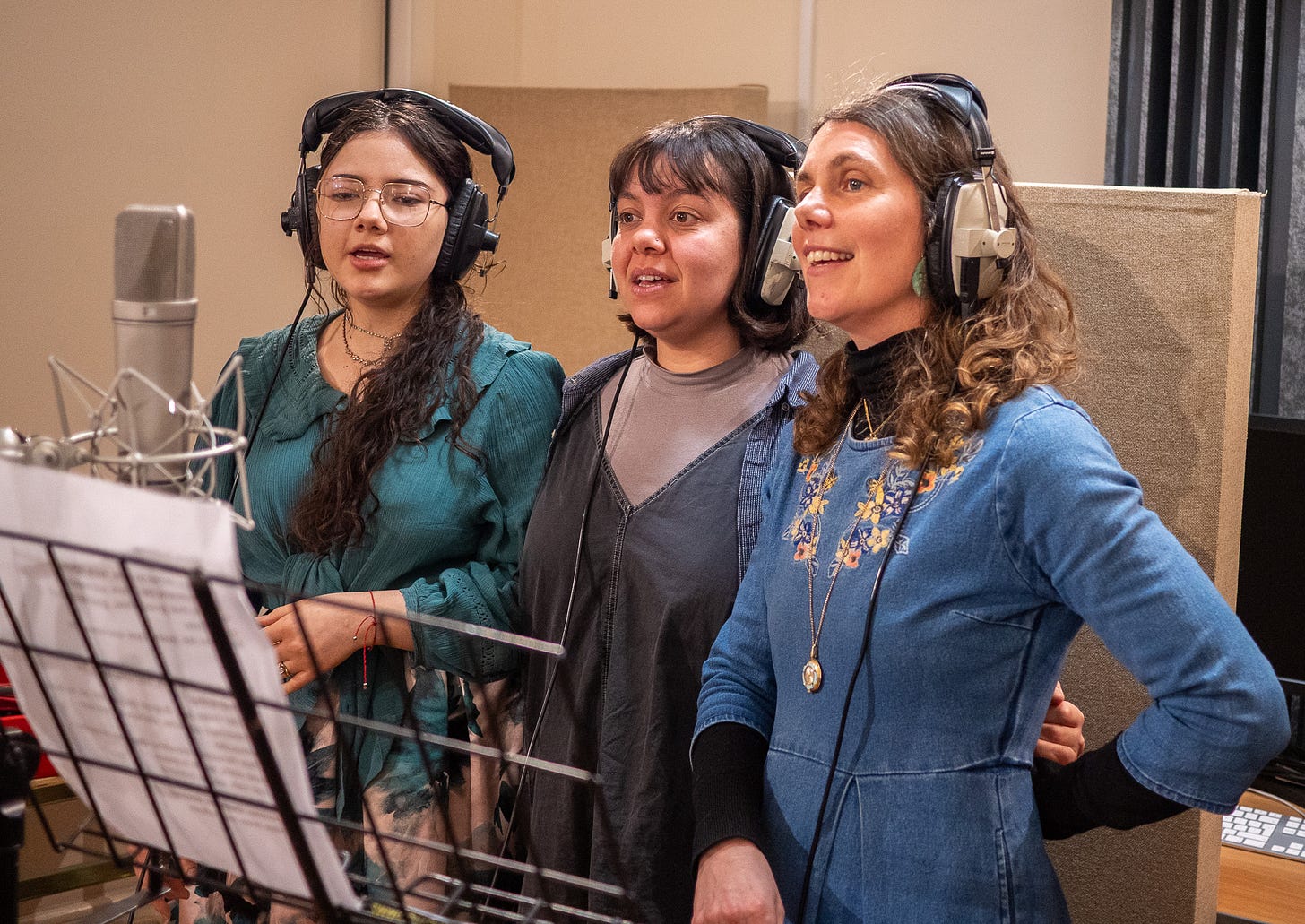
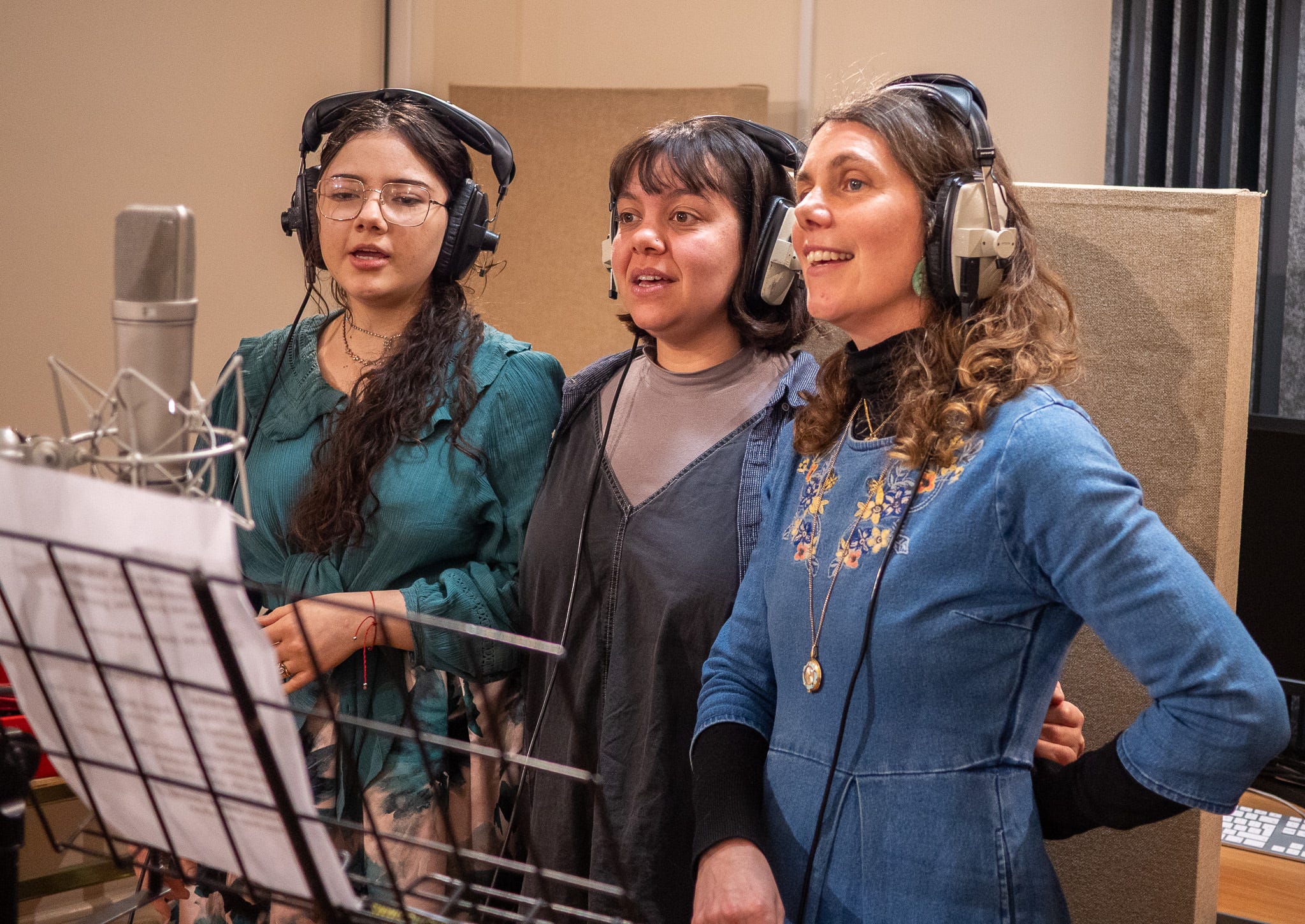
When the backing singers slipped from an ‘aah’ to a hum and changed the temperature of the whole section. We all played with more delicacy.
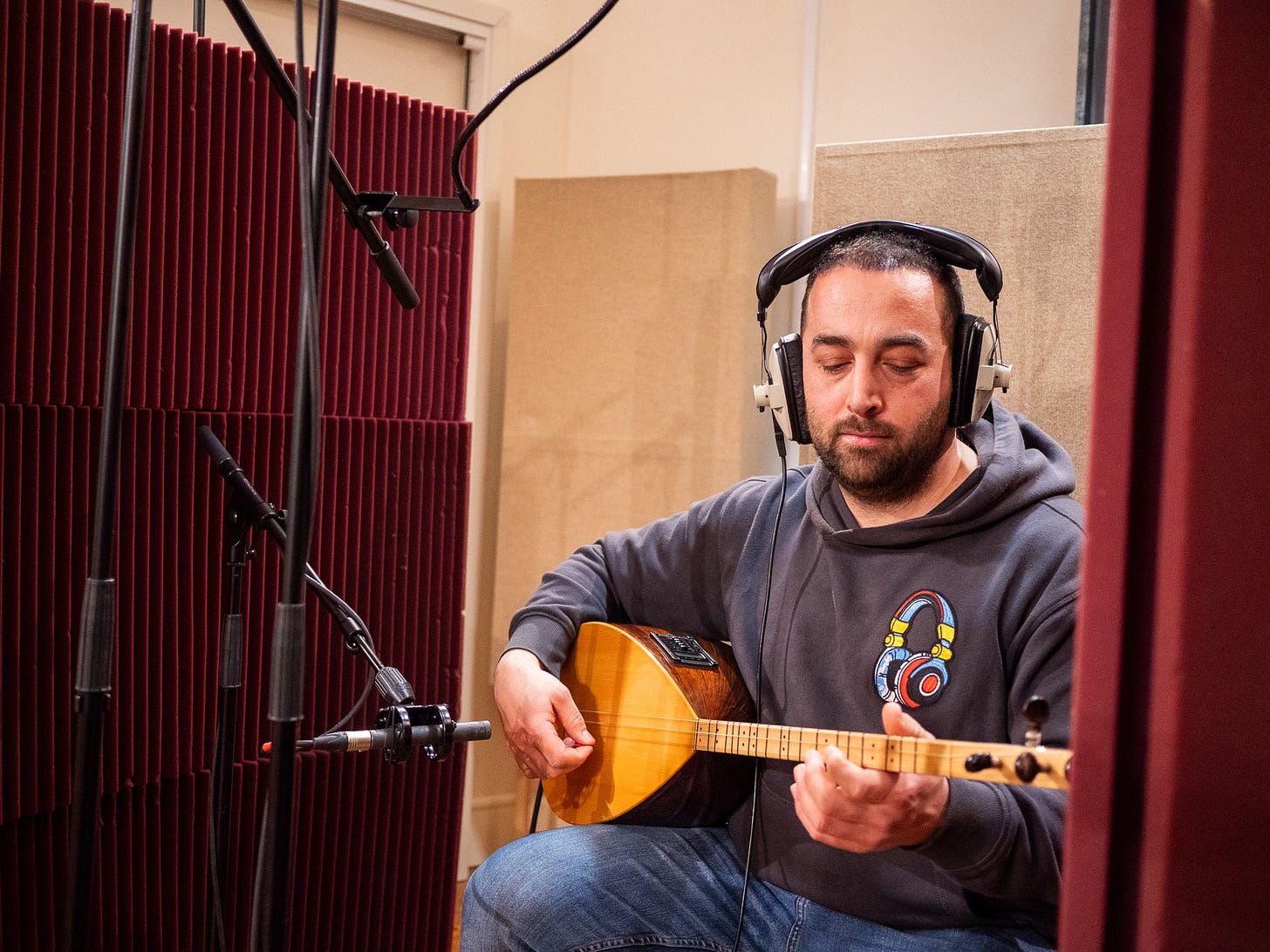
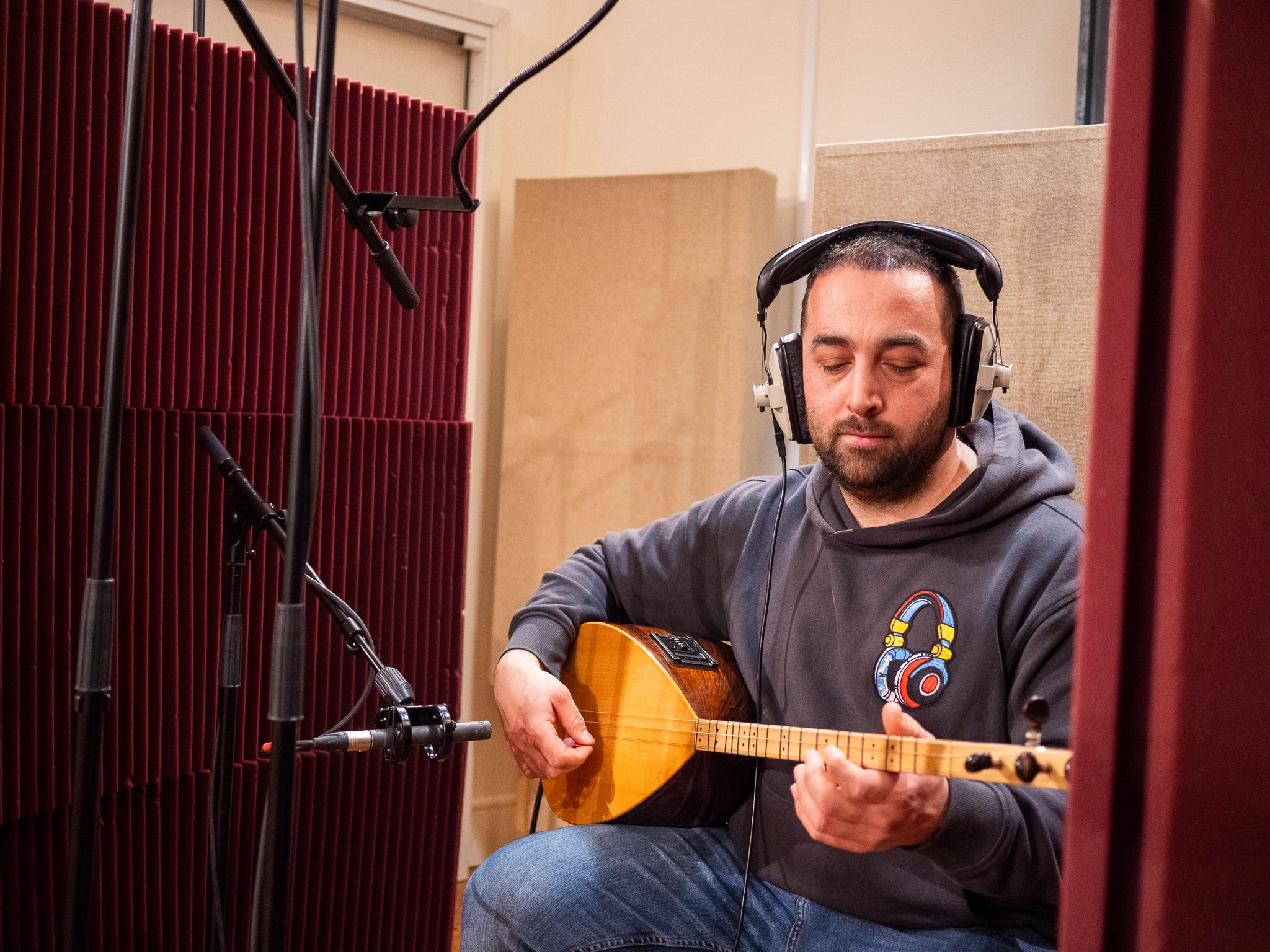
When our baglama (Turkish lute) player switched from fingers to a long plectrum, brightening the attack on the strings and making the room glitter. My touch on the keyboard sharpened.
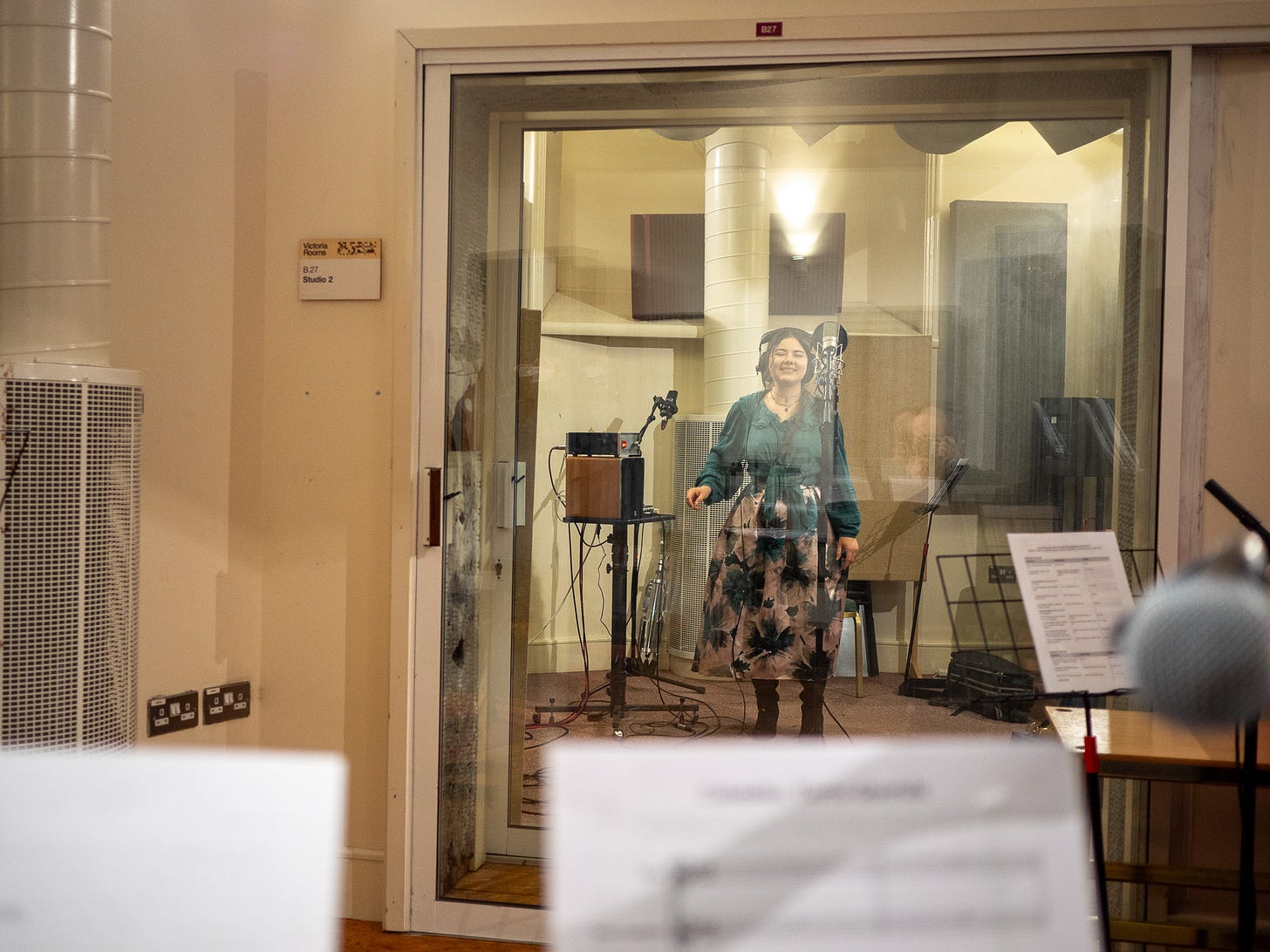
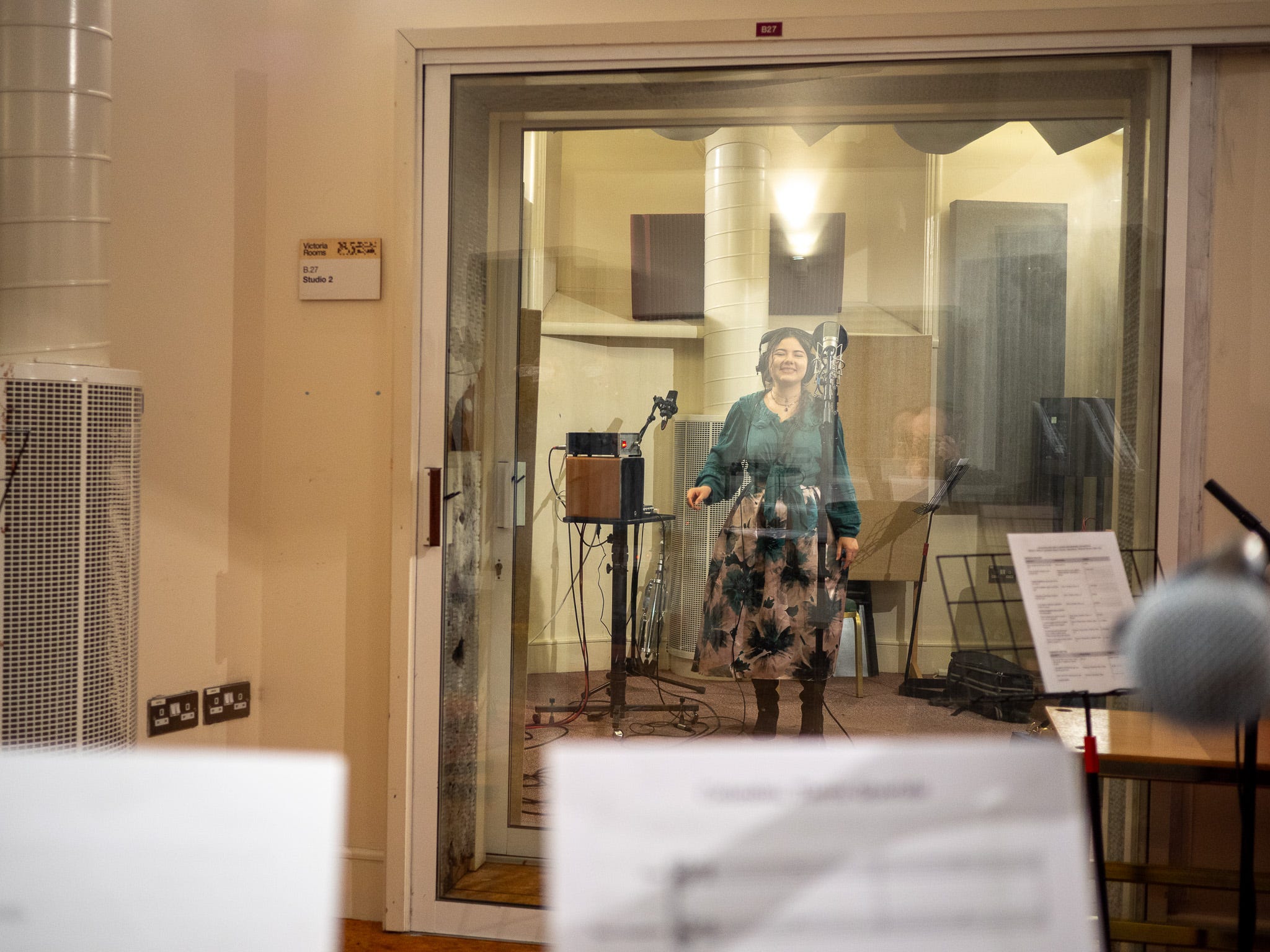
When some of the singers who’d never been in a studio before came and delivered a brilliant take straight away, without need for retakes. It made us all smile and relax.
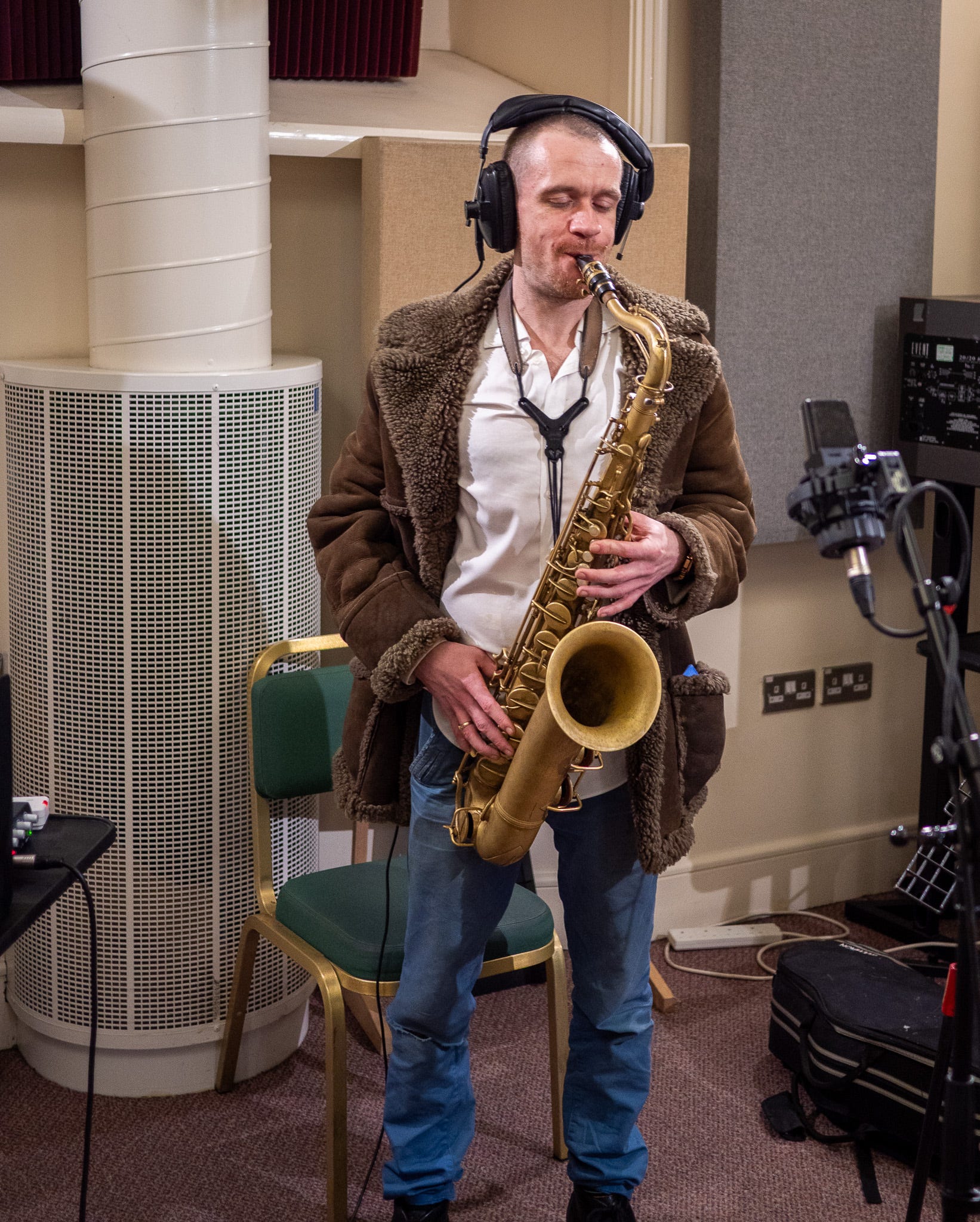
When the saxophonist got up from his second nap of the day, stretched briefly, and then busted out two incredible fast-paced solos over the top of a Latin American number, each perfectly timed. It upped our game and gave us confidence.
Outside the studio
I wonder if there are more pressure points in our creative lives where we can escape the paralysing self-scrutiny by seeking wider connections? Where we can adjust the gaze inwards to outwards?
I’ve been practising a piano part for a trio recently, some Dumky by Dvorák. I thought I’d freeze in the rehearsal and fluff all the passages I’d been assiduously repeating along to a metronome. The opposite was true. I was carried along by the energy of the other players and my absorption in the trio’s sound as a whole. We kept each other flowing.
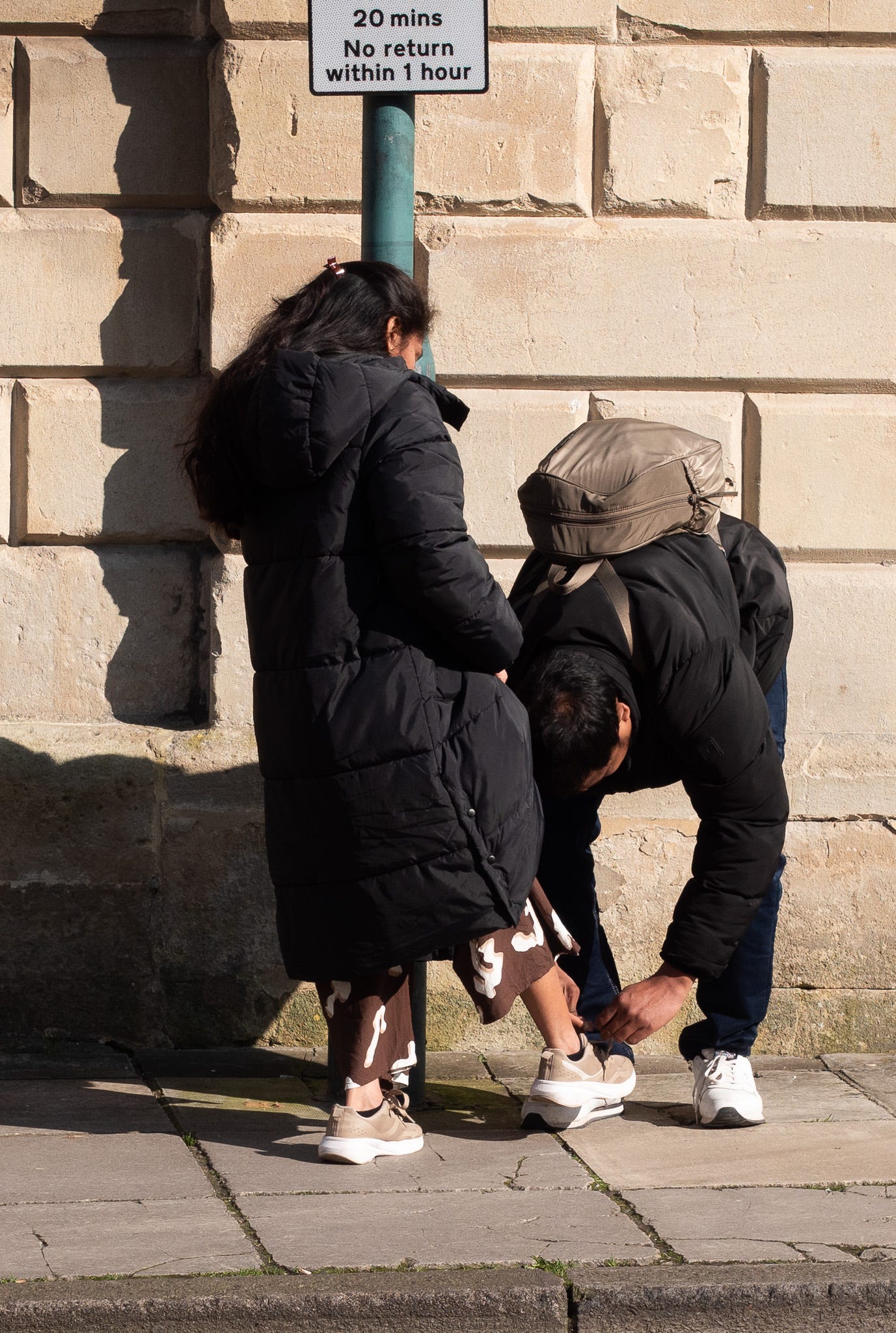
Or when I was on the streets of Bath last week, doing some street photography, I noticed my nervousness around taking candid snaps diminished when I imagined myself as a legitimate part of the street, in the crowd and not an external observer. When I connected with the passers-by and felt part of the flow of the street, the shots presented themselves so much more readily.
When I do my public speaking, I ask for the house lights to be on so I can see and connect with the audience rather than feel under a spotlight and alone on stage. That way it can feel more like a conversation than a monologue, and I need that sense of a more casual connection to feel comfortable.
I offer all of this because I find it more helpful than the usual advice to overcoming red light syndrome that normally is of the ‘try to forget the microphone/camera/audience is there’ variety. Or, worse: ‘Just be natural’. Hear that and you’re more stilted than before. Best, I think, to just accept the situation and find new connections to get you into flow.
What advice have you found helpful when it comes to dealing with performance anxiety or the pressure of a red light situation, where your actions will be caught for posterity? Please let us know in the comments below.
Happy creating!
That was me the other day! I was singing Alanis Morrissette’s, You Oughta Know with my band and perhaps did the best performance of my life. Then I went to record it on my phone just so I could send it to some pals. Next thing you know I forgot half the lyrics and I could feel myself zoning out! I think I was too focused on how “cool” I was going to look (the irony being I got the angle wrong so all it did was film the very top of my head). I think next time if I feel the urge to record I’ll be leaning into it as a performance and acknowledge it’s there rather than trying to come across as nonchalant and off the cuff! Essentially abandon all thoughts of “cool” 🤪
@Fini Bearman what are your top tips?